

If you're like most trial lawyers, December 1st isn't exactly circled on your calendar, unless you're tracking federal rule amendments. Well, December 1, 2025 came and went about two months ago, and it brought some changes worth knowing about. We're now settling into life with new rules governing multidistrict litigation, clearer guidance on privilege logs, and (if we're being honest) still adjusting to that major hearsay amendment from late 2024.
Let's break down what actually matters for your practice.
The Big One: Rule 16.1 Creates a Roadmap for MDLs
Here's something that's never happened before: the federal rules now have a provision dedicated entirely to multidistrict litigation. New Rule 16.1 is the first federal rule written specifically for MDL case management, and if you practice anywhere near mass torts or complex litigation, this one's for you.

Why This Matters
MDLs have exploded over the past decade. At any given time, a huge chunk of the federal civil docket consists of MDL cases: we're talking thousands of cases transferred to a single judge for coordinated pretrial proceedings. But until December 2025, there wasn't a specific rule telling transferee judges how to handle these behemoths. Judges were basically winging it (within their broad discretion, of course).
Rule 16.1 changes that by requiring an initial MDL management conference soon after transfer. The rule directs courts to tackle several key issues early:
- Whether consolidated pleadings make sense
- How parties will exchange information about factual bases for claims and defenses
- Discovery procedures and potential problems
- What pretrial motions are likely coming
- Whether certain actions can be resolved before the full MDL process grinds on
The Real Goal: Making Parties Do Their Homework
Here's the part the Committee Notes don't shout but definitely whisper: Rule 16.1 is designed to combat weak claims and defenses that sometimes ride along in MDLs without proper Rule 11(b) inquiry. The Advisory Committee was concerned that in sprawling MDLs, some parties were asserting claims without doing the legwork that Rule 11 demands.
Translation for practitioners? If you're involved in MDL litigation (on either side), expect judges to hold earlier, more structured conferences. Be prepared to justify your claims and defenses sooner. The days of coasting on vague allegations while discovery sorts things out may be ending.
Privilege Logs Just Got Less Mysterious
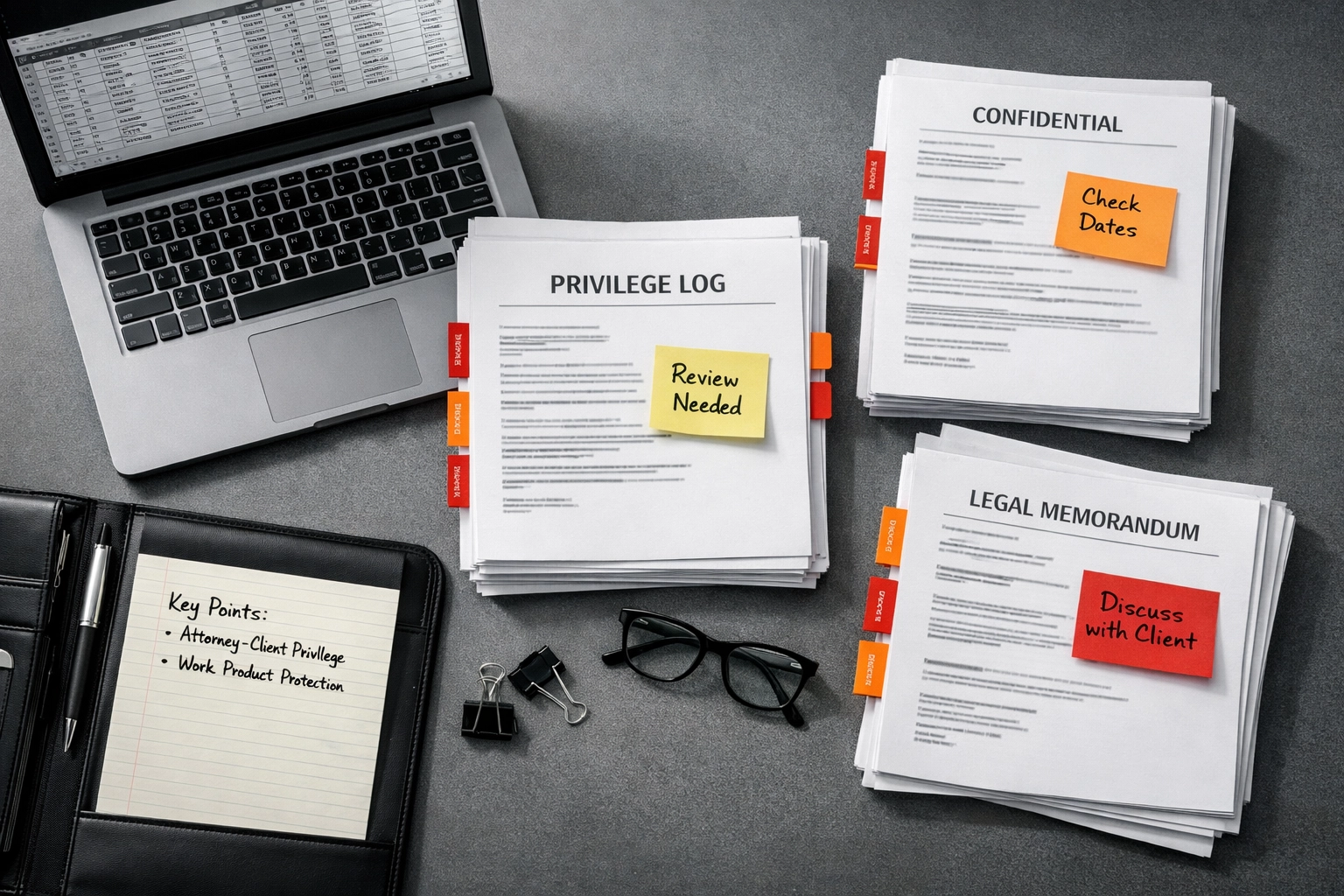
Remember the ongoing debate about privilege logs? How detailed do they need to be? What format? When are they due? The amendments to Rules 16(b) and 26(f) don't answer every question, but they do something useful: they force lawyers to have the conversation early.
What Changed
The amendments require parties to agree on: and courts to include in scheduling orders: the specific method for complying with Rule 26(b)(5)(A). That's the rule requiring parties to describe materials they're withholding based on privilege or work-product protection.
Previously, this was often handled informally (or became a fight mid-discovery). Now it's supposed to be nailed down during the Rule 26(f) conference and included in the Rule 16(b) scheduling order.
Practical Implications
If you're heading into your first meet-and-confer under the new rules, add this to your agenda:
- Format: Are we doing traditional logs, categorical logs, something else?
- Timing: When are logs due after document production?
- Level of detail: What information will suffice for each entry?
- Challenges: How will we handle disputes about log sufficiency?
The smart move? Come to the Rule 26(f) conference with a proposed method already drafted. Most opposing counsel will appreciate not having to reinvent this wheel, and judges definitely don't want to referee privilege log format disputes three months into discovery.
Why Courts Pushed for This
The Advisory Committee wasn't being nitpicky. Privilege log disputes waste enormous amounts of time and money. By forcing standardization upfront, the rules aim to prevent the classic scenario where Party A produces documents in March, delivers a privilege log in June, Party B complains it's inadequate in July, and everyone's filing motions to compel in August.
Don't Forget: The Hearsay Amendment That Changed Everything
While we're talking about recent rule changes, let's acknowledge the elephant that walked into the courtroom in late 2024: the amendment to Federal Rule of Evidence 801(d)(2).
This wasn't part of the December 2025 package, but it's been less than a year, and trial lawyers are still figuring out the implications. The amendment expanded the party-opponent admission exception to include statements by a successor in interest in certain situations.
Why This Still Matters in February 2026
You're going to keep seeing this issue pop up, especially in:
- Corporate transactions: When Company A acquires Company B, whose prior statements come in against the merged entity?
- Bankruptcy proceedings: How do statements from the pre-bankruptcy entity get treated?
- Estate litigation: When do decedent's statements bind successors?
The courts are still working through the boundaries. If you have a case involving successor liability, entity mergers, or similar issues, dive into the Advisory Committee Notes on the 801(d)(2) amendment. This is shaping litigation strategy right now.
Quick Hits: Other December 2025 Changes
The MDL and privilege log amendments grabbed headlines, but the December 2025 package included appellate procedure tweaks too. Federal Rule of Appellate Procedure 6 got clarified, particularly regarding bankruptcy appeals and how post-judgment motions affect appeal deadlines.
Unless you regularly handle bankruptcy appeals directly to circuit courts, this probably won't change your Tuesday. But if you do practice in that space, the clarifications about direct appeals versus BAP appeals are worth reviewing.
What This Means for Your Practice
Let's bring this home with practical takeaways:
If you're in MDL litigation: Prepare for more structured, earlier case management. Have your factual bases lined up before that initial conference. Expect judges to be less tolerant of placeholder claims that "will be developed in discovery."
If you're producing documents in federal litigation: Get ahead of the privilege log conversation. Draft a proposed method before your Rule 26(f) conference. Build the privilege log process into your document review workflow from day one, not as an afterthought.
If you're dealing with successor entities: Stay current on how courts are applying the amended 801(d)(2). This is evolving case law, and early adopters are shaping the standards.
Keep Your References Handy
Here's the thing about rule amendments: they're only useful if you can quickly reference them when you need them. Whether you're in a meet-and-confer, drafting a case management statement, or responding to a discovery dispute, having the current rules at your fingertips beats scrambling through online searches.
That's exactly why we design our federal trial guides the way we do: quick reference formats that work when you need them, not just when you have time to research. The rules change, but the need for practical, immediate access doesn't.
Bottom Line
The December 1, 2025 amendments aren't going to revolutionize your practice overnight. But they do signal where federal procedure is heading: more structure for MDLs, earlier resolution of privilege log disputes, and (combined with the 2024 hearsay amendment) expanded evidentiary rules that practitioners are still digesting.
Two months in, most courts are implementing these changes smoothly. The biggest adjustment? Getting used to having "the privilege log conversation" during initial disclosures rather than mid-crisis during document production. Most lawyers will consider that an improvement.
Stay current, stay practical, and keep your rule references where you can grab them quickly. That's how you turn rule amendments from background noise into strategic advantages.